
How to Make Cake in a Food Processor: Easy Recipe Guide
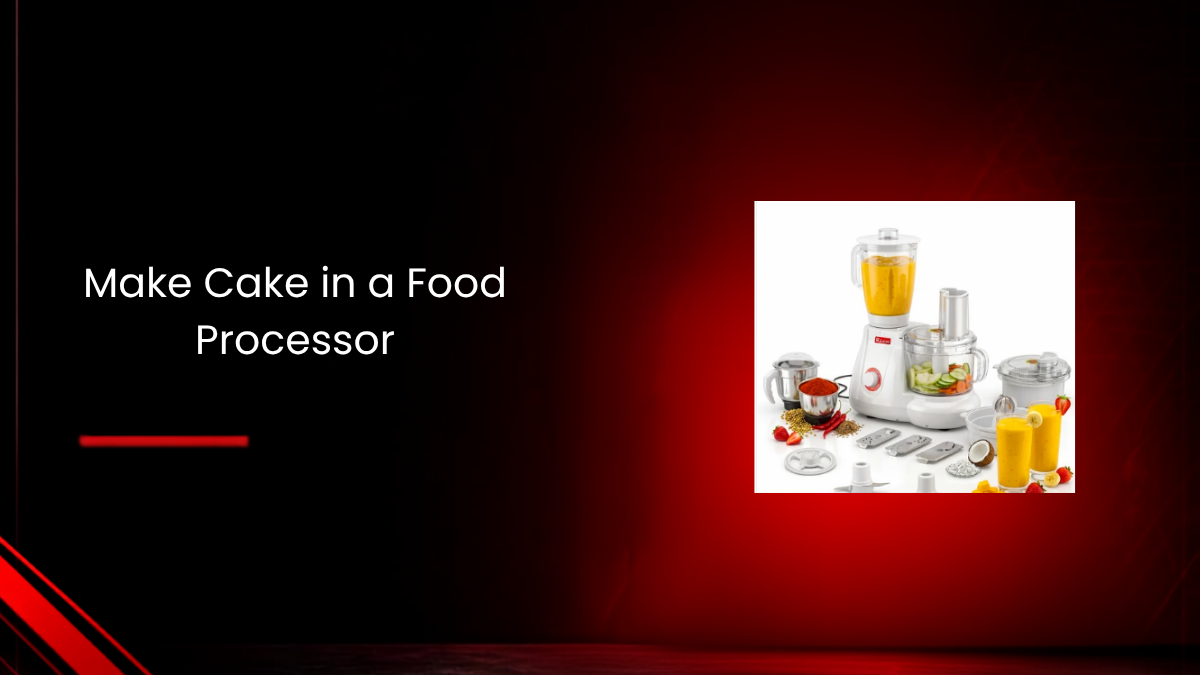
Most people reach for a stand mixer or hand whisk when baking a cake. But you can genuinely make cake in a food processor, often faster and with fewer bowls to wash.
The technique is simpler than it sounds. Once you understand which blade to use and how to combine ingredients correctly, you can make cake in a food processor with consistently good results, batch after batch.
This guide walks through everything you need to know, from blade selection to a foolproof formula you can adapt into dozens of flavour variations. If you don't have the right appliance yet, Rico's range of kitchen appliances is a good place to start.
Can You Really Make Cake in a Food Processor?
Yes, and it works particularly well for certain cake styles. Dense, buttery cakes like pound cakes and butter cakes are especially well-suited to this method, since the food processor's sharp blade creams butter and sugar quickly and efficiently.
Lighter, airier cakes that rely on whipped egg whites or delicate folding techniques are trickier to make in a food processor, since the machine's speed can knock out too much air. Understanding this distinction helps set realistic expectations before you start.
Which Blade Should You Use?
This is one of the most common points of confusion when learning how to make cake in a food processor. Most machines come with two main blade options.
-
Metal blade (S-blade): This is generally the right choice for cakes and pastry. Its sharp edges cream butter and sugar effectively and mix batter smoothly.
-
Plastic or dough blade: Sometimes called a dough blade, this is better suited for bread and pasta dough, though it can occasionally handle cake batter too.
When in doubt, the metal blade is your safest bet for cake baking. It's the standard choice recommended for most cake recipes made in a food processor.
The Basic Method: All-in-One Mixing
Most cakes made in a food processor use what's called the all-in-one method. This means adding your ingredients to the bowl together, or in a specific sequence, and blending until just combined.
This differs slightly from traditional hand-mixing, where you might cream butter and sugar separately before folding in flour. The food processor does most of the work quickly, as long as you follow the right order and don't overmix.
Step-by-Step: How to Make Cake in a Food Processor

Step 1: Bring Ingredients to Room Temperature
Cold butter and eggs blend less smoothly and can result in a lumpy batter. Let your ingredients sit out for about 30 minutes before starting.
Step 2: Cream the Butter and Sugar
Using the metal blade, pulse the butter and sugar together until well combined and lighter in colour. Scrape down the sides of the bowl to ensure even mixing.
Step 3: Add Eggs Gradually
Add eggs one at a time, pulsing briefly after each addition. If your batter starts to look curdled, add a spoonful of flour to help stabilise it before continuing.
Step 4: Fold in the Dry Ingredients
Add your flour and any other dry ingredients, pulsing just until combined. This is a critical step when learning how to make cake in a food processor, since overmixing at this stage can result in a dense, tough cake.
Step 5: Transfer and Bake
Scrape the batter into your prepared cake tin, smoothing the top if needed. Bake according to your recipe's temperature and timing, checking doneness with a skewer or cake tester.
A Simple Formula Worth Memorising
One particularly useful technique for learning how to make cake in a food processor is the classic pound cake ratio, based on equal parts butter, sugar, flour, and eggs.
A common scaled-down version looks like this:
-
250g butter
-
250g sugar
-
250g self-raising flour
-
4 large eggs
This simple, memorable ratio means you can make cake in a food processor without needing to consult a recipe every time, and it adapts easily into countless flavour variations.
Creative Variations to Try
Once you're comfortable with the basic method, this formula becomes a springboard for experimentation.
-
Citrus and almond: Replace part of the flour with almond meal and add citrus zest for a moist, fragrant cake.
-
Chocolate and hazelnut: Substitute cocoa powder and ground hazelnuts for part of the flour.
-
White chocolate: Melt white chocolate and swap it in for a portion of the butter, adjusting sugar slightly to balance sweetness.
-
Fruit-studded cakes: Fold in fresh or frozen berries just before baking, scattering some on top for a rustic finish.
Each variation follows the same basic proportions, so once you understand the ratio, adapting flavours becomes intuitive.
Common Mistakes to Avoid
Even with a straightforward method, a few missteps can affect your results when you make cake in a food processor.
-
Overmixing the batter: This develops too much gluten in the flour, resulting in a denser, tougher cake.
-
Using cold ingredients: Cold butter and eggs blend unevenly, often leading to a curdled or lumpy batter.
-
Skipping the scrape-down step: Ingredients can cling to the sides, leading to uneven mixing if you don't address it.
-
Choosing the wrong blade: Using a dough blade instead of the metal blade can result in poor creaming and an uneven texture.
-
Overfilling the bowl: This restricts proper blending and can strain the motor.
Why a Food Processor Works Well for Certain Cakes
Butter-based cakes benefit particularly well from this method, since the food processor's sharp blade creams ingredients quickly and consistently. If you're evaluating motor strength for tasks like this, our breakdown of the difference between 550W and 750W mixer grinders explains how wattage affects performance under sustained mixing, a principle that applies to food processors too.
For lighter, whipped cakes requiring aerated egg whites, a dedicated whisk attachment often performs better. If your appliance includes one, our guide on what a whip in a mixer grinder does explains how this attachment handles aeration tasks that a standard food processor blade may struggle with.
Food Processor vs Other Kitchen Appliances for Baking
It's worth understanding how a food processor compares to other appliances you might already own. Unlike a mixer grinder, which is optimised for grinding spices and batters, a food processor's wider bowl and sharp blade suit cake mixing particularly well.
If you're curious how different appliance designs handle similar mixing tasks, our comparison of wet grinder vs mixer grinder explores this distinction further.
Similarly, if smoothies or thicker blends are also part of your kitchen routine, our comparison of slow juicer vs blender covers related trade-offs in texture and processing power across blending appliances.
Choosing the Right Appliance Before You Buy
If you're shopping specifically with cake baking in mind, evaluate motor power, bowl capacity, and blade options carefully. Our detailed guide on how to choose the right mixer grinder offers a useful framework that applies broadly to appliance shopping decisions like this one.
Multi-Function Alternatives Worth Considering
If you don't own a dedicated food processor, some multi-purpose kitchen appliances can handle similar mixing tasks. Our guide on how to use a juicer mixer grinder explains how these hybrid machines manage blending and mixing, offering useful context if cake baking is just one of several things you want your appliance to handle.
Building a Well-Equipped Baking Setup
A food processor is a valuable addition to any home baker's kitchen. If you're planning your broader appliance collection, our roundup of kitchen products covers other everyday essentials worth considering alongside your food processor.
Final Thoughts
Learning how to make cake in a food processor comes down to a few simple principles: use the metal blade, follow the all-in-one method, and resist the urge to overmix once the flour goes in.
Once you've mastered the basic technique and memorised a reliable ratio, you'll find yourself experimenting confidently with flavours, textures, and add-ins, without needing to consult a recipe book every time you want to bake.
Frequently Asked Questions
Q1. Which blade should I use to make cake in a food processor?
The metal blade, often called the S-blade, is generally the right choice for cakes and pastry, since it creams butter and sugar effectively and mixes batter smoothly.
Q2. Can I make all types of cake in a food processor?
Dense, butter-based cakes like pound cakes work particularly well. Lighter, airier cakes relying on whipped egg whites can be trickier, since the machine's speed may knock out too much air.
Q3. Why did my cake batter curdle when I added the eggs?
This often happens when eggs are added too quickly or are cold. Adding a spoonful of flour with each egg addition can help stabilise the batter and prevent curdling.
Q4. How do I avoid overmixing my cake batter in a food processor?
Pulse the flour in gradually and stop as soon as the ingredients are just combined. Overmixing develops gluten, which can result in a denser, tougher cake.
Q5. Can I substitute ingredients in a basic food processor cake recipe?
Yes, as long as you roughly maintain the original proportions. Substituting part of the butter, sugar, or flour with other ingredients like cocoa, nut meal, or melted chocolate generally works well.