
Ceiling Fan Rotation: Why Direction Matters More Than You Think
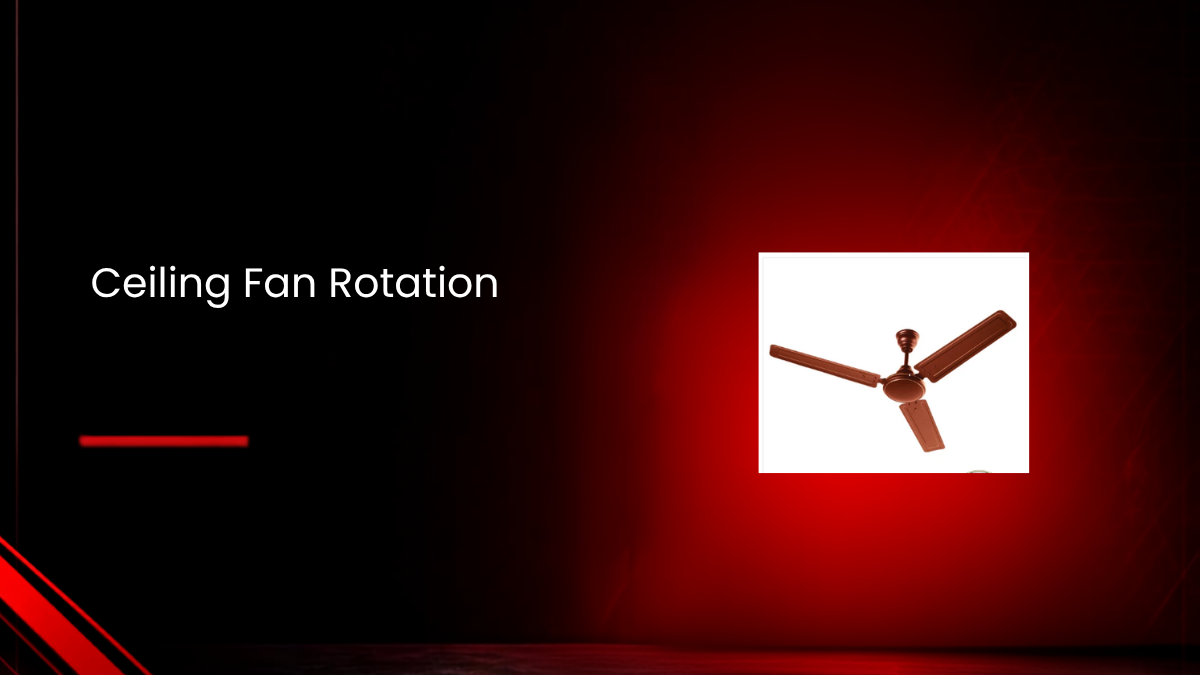
Most people assume a ceiling fan only has one job: spin and cool the room. But ceiling fan rotation actually plays a bigger role than most realise, affecting comfort, energy use, and even how well your room feels during winter.
The direction your fan spins changes how air moves through the room. Understanding ceiling fan rotation and adjusting it seasonally can genuinely improve comfort while quietly lowering your electricity bill.
This guide explains exactly how ceiling fan rotation works, why direction matters, and how to switch it correctly for every season. If your current fan doesn't offer this flexibility, Rico's ceiling fan range is worth a look for your next upgrade.
Why Ceiling Fan Rotation Direction Matters
Ceiling fan rotation determines how air circulates through a room, which affects both comfort and energy efficiency. Most people never think to check or change it, yet this simple adjustment can make a noticeable difference.
-
In summer: The fan should rotate anticlockwise (counterclockwise). This pushes air downward, creating a wind-chill effect that cools your skin.
-
In winter: The fan should rotate clockwise at a low speed. This pulls cool air upward and redistributes warm air that naturally collects near the ceiling.
Getting ceiling fan rotation direction right for the season means you rely less on air conditioners in summer and heaters in winter, saving on electricity either way.
How to Identify Your Fan's Current Rotation
Before adjusting anything, it helps to know which direction your fan is currently set to. Here's a simple way to check.
-
Stand directly under the fan and look upward.
-
If the blades move from right to left and you feel a strong, direct breeze, it's in summer mode, rotating anticlockwise.
-
If the blades move left to right and you barely feel airflow, it's in winter mode, rotating clockwise.
This quick visual check takes only a few seconds and tells you exactly whether your ceiling fan rotation matches the current season.
Why Fans Rotate Anticlockwise in Summer
An anticlockwise ceiling fan rotation creates a downdraft, pushing cool air directly toward you. This produces a few clear benefits.
-
Lowers the perceived room temperature, even without changing the actual thermostat reading
-
Reduces how often you need to run your air conditioner
-
Improves overall airflow and ventilation throughout the room
This explains why anticlockwise ceiling fan rotation is the recommended setting during India's hot summer months, since it directly enhances the body's natural cooling process.
Why Fans Should Rotate Clockwise in Winter
During colder months, ceiling fan rotation should switch to clockwise, running at a low speed. This might seem counterintuitive, since you're not trying to feel a breeze. However, the logic makes sense once you understand air behaviour.
Warm air naturally rises and collects near the ceiling. A clockwise ceiling fan rotation gently pulls this trapped warm air downward and redistributes it around the room, without creating the cooling draft associated with anticlockwise rotation.
This small adjustment can noticeably improve comfort in winter, particularly in rooms with higher ceilings where warm air tends to accumulate overhead.
How to Change Ceiling Fan Rotation Direction
Switching your fan's direction is usually simple, though the exact method depends on your fan type.
For Traditional Fans
1. Turn off the fan completely and wait until the blades come to a full stop.
2. Locate the small directional switch on the motor housing, usually near the base.
3. Flip the switch to change between clockwise and anticlockwise rotation.
4. Turn the fan back on and confirm the new direction visually.
For Smart or Remote-Controlled Fans
Many modern fans allow you to change ceiling fan rotation through a mobile app, remote control, or voice assistant, without needing to physically locate a switch. This makes seasonal adjustments significantly more convenient.
When Should You Switch Fan Direction?
Timing your ceiling fan rotation changes with the seasons ensures you get the most benefit throughout the year.
-
March to April: Switch to anticlockwise rotation as temperatures rise for summer.
-
October to November: Switch to clockwise rotation as temperatures drop for winter.
Making this switch a seasonal habit, rather than a one-time setting, ensures your fan continues working in your favour year-round.
Ceiling Fan Rotation Across India's Diverse Climate

India's climate varies significantly by region, from scorching summers in Delhi to relatively mild winters in Bengaluru. Regardless of where you live, adjusting ceiling fan rotation seasonally offers similar benefits.
-
Improved comfort during both extreme heat and cooler months
-
Reduced reliance on air conditioners and room heaters
-
Lower overall electricity consumption across the year
Even in regions with milder winters, switching to clockwise rotation during cooler months can reduce the need for supplementary heating appliances.
Common Mistakes with Ceiling Fan Rotation
A few common oversights can prevent you from getting the full benefit of adjusting your fan's direction.
-
Never checking the direction at all: Many fans stay in the same rotation year-round simply because owners aren't aware they can change it.
-
Switching too late in the season: Waiting until peak summer or winter to adjust means missing out on efficiency gains during the transitional months.
-
Running clockwise rotation at high speed in winter: This creates an unwanted cooling draft instead of the gentle redistribution effect intended for colder months.
-
Assuming all fans support direction change: Some older or budget models may not include a reversible motor, so it's worth checking before assuming this feature is available.
Choosing a Fan Built for Reliable Performance
Whether you're adjusting seasonal rotation or simply looking for dependable everyday cooling, motor quality plays a major role in how well a fan performs. Rico's Oric CF2305, a 1200mm BEE 1-Star ceiling fan, features a CCA winding motor built to maintain performance even during voltage fluctuations, paired with pre-greased double ball bearings for quieter, longer-lasting operation.
Similarly, the Oric CF2307, a 1200mm BEE 1-Star ceiling fan, offers the same reliable motor and bearing design in a decorative Aluminum and CRCA body, backed by a 2-year replacement warranty.
Does Ceiling Fan Rotation Affect Electricity Bills?
Indirectly, yes. Using the correct ceiling fan rotation for the season reduces how hard your air conditioner or heater needs to work, which lowers your overall electricity consumption.
While the fan itself uses roughly the same power regardless of direction, the comfort it provides means you rely less on higher-energy cooling or heating appliances, translating into genuine savings over time.
Building a Complete Seasonal Cooling Setup
Adjusting ceiling fan rotation is just one part of managing comfort throughout the year. If you also use compact cooling options for personal or focused airflow, our guide on portable fans covers alternatives that work well alongside a properly adjusted ceiling fan.
For a broader look at equipping your home with dependable everyday appliances, our roundup of kitchen products covers other essentials worth considering as you plan your home comfort setup.
Final Thoughts
Ceiling fan rotation might seem like a minor detail, but it has a genuine impact on comfort and electricity bills throughout the year. Anticlockwise rotation cools you down in summer, while clockwise rotation redistributes warm air in winter.
Making this simple, seasonal adjustment costs nothing and takes only a minute, yet it noticeably improves how your home feels in every season. Whether you're beating the summer heat or staying cosy in winter, getting your ceiling fan rotation right is a small habit worth building.
Frequently Asked Questions
Q1. Which direction should a ceiling fan rotate in summer?
In summer, a ceiling fan should rotate anticlockwise. This pushes air downward, creating a cooling wind-chill effect throughout the room.
Q2. Why should ceiling fan rotation change to clockwise in winter?
Clockwise rotation at low speed pulls cool air upward and redistributes warm air trapped near the ceiling, improving comfort without creating an unwanted cooling draft.
Q3. How do I know if my ceiling fan rotation is set correctly?
Stand under the fan and observe the blade movement. Strong, direct airflow indicates anticlockwise summer mode, while minimal airflow with left-to-right movement indicates clockwise winter mode.
Q4. Do all ceiling fans allow you to change rotation direction?
Most modern fans include a reversible motor with either a physical switch or remote-based control. However, some older or basic models may not support direction change.
Q5. Does changing ceiling fan rotation actually save electricity?
Yes, indirectly. Using the correct rotation reduces reliance on air conditioners in summer and heaters in winter, which can lead to noticeable savings on your overall electricity bill.