
How a Cold Press Juicer Works: A Complete Guide
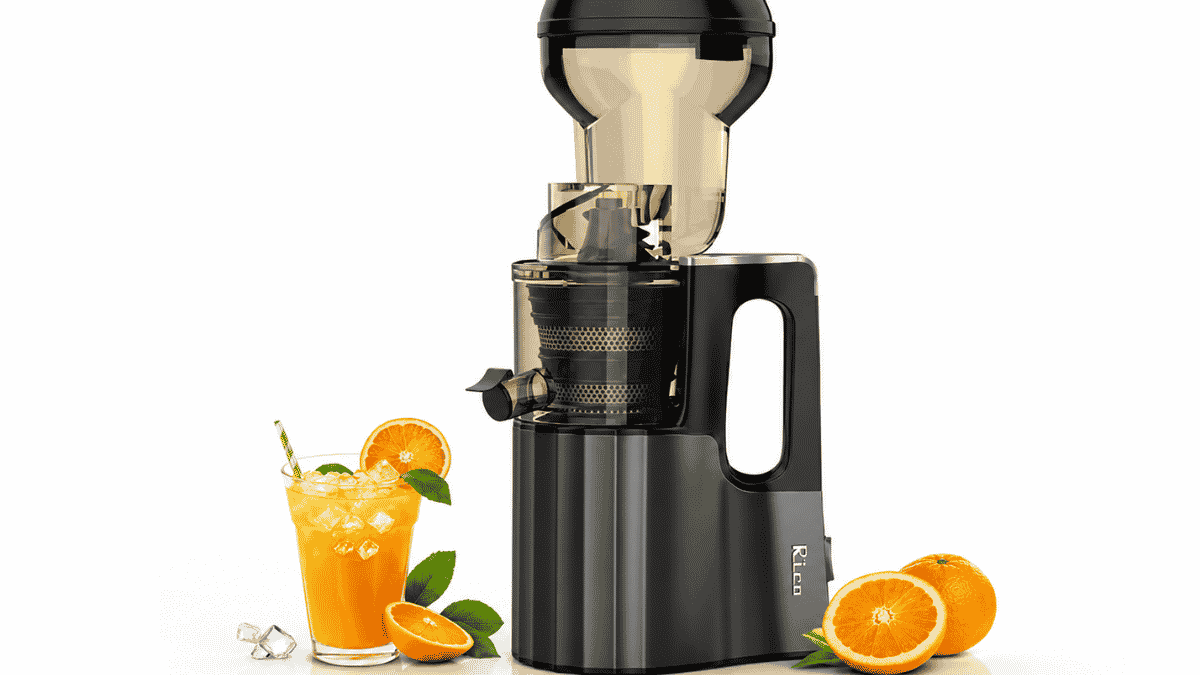
Cold press juicers have become a kitchen staple for health-conscious households. But how exactly does a cold press juicer work, and why do people prefer it over regular juicers?
This guide explains the mechanics behind cold press juicing, its benefits, and how to get the most out of one. By the end, you'll understand exactly what makes this juicing method different.
What Is a Cold Press Juicer?
A cold press juicer, also called a masticating juicer, extracts juice by slowly crushing and pressing fruits or vegetables. Unlike centrifugal juicers, it doesn't use fast-spinning blades.
Instead, it relies on a slow-turning auger that grinds produce against a mesh screen. This gentle process squeezes out juice while minimizing heat and oxidation. Therefore, the juice retains more nutrients, enzymes, and flavour.
How Does a Cold Press Juicer Actually Work?
Understanding the mechanism helps you appreciate why cold press juicers perform differently. Here's the step-by-step process:
1. Slow Auger Rotation
The auger inside a cold press juicer typically rotates at 40–100 RPM. This is significantly slower than centrifugal juicers, which spin at 6,000–15,000 RPM.
The slow speed reduces friction and heat buildup. As a result, the juice doesn't oxidize as quickly, preserving more vitamins and antioxidants.
2. Crushing and Pressing Motion
As produce enters the feeding chute, the auger crushes it against the walls of the juicing chamber. This crushing action breaks down cell walls gently, releasing juice without excessive pulp damage.
Moreover, the pressing motion squeezes out juice more thoroughly than blade-based extraction. This often results in higher juice yield from the same amount of produce.
3. Separation Through a Fine Mesh Screen
Once crushed, the juice passes through a fine mesh filter, separating liquid from pulp. The mesh traps larger fibrous particles while allowing smooth juice to flow through.
This filtration step is crucial. It ensures the final juice is smooth, not gritty, while still retaining some natural pulp for texture.
4. Minimal Oxidation
Because the entire process happens slowly and without spinning blades, minimal air gets mixed into the juice. Less oxidation means the juice stays fresher for longer, sometimes up to 72 hours when refrigerated properly.
Cold Press vs Centrifugal Juicers: Key Differences
Many people confuse cold press juicers with regular centrifugal models. Here's how they differ:
|
Factor |
Cold Press Juicer |
Centrifugal Juicer |
|
Extraction Method |
Slow crushing and pressing |
Fast spinning blades |
|
Speed (RPM) |
40–100 RPM |
6,000–15,000 RPM |
|
Heat Generation |
Minimal |
Higher, due to friction |
|
Nutrient Retention |
Higher |
Comparatively lower |
|
Juice Shelf Life |
Up to 72 hours |
24 hours or less |
|
Noise Level |
Quieter |
Louder |
|
Processing Time |
Slower |
Faster |
If you're deciding between the two, our detailed comparison on centrifugal vs slow juicer breaks down which one suits your lifestyle better.
Why Does Cold Press Juicing Preserve More Nutrients?
Heat and oxygen exposure are the biggest enemies of nutrients in fresh juice. Centrifugal juicers generate heat through fast blade friction, which can degrade certain vitamins and enzymes.
Cold press juicers, however, avoid this issue almost entirely. Since the auger moves slowly, there's little to no heat generated during extraction. In addition, minimal air exposure slows down the oxidation process.
Consequently, cold-pressed juice often retains higher levels of vitamin C, antioxidants, and live enzymes compared to juice made through fast spinning methods.
Benefits of Using a Cold Press Juicer
Here's why many households are switching to cold press juicers:
-
Higher juice yield: More liquid extracted from the same produce
-
Better nutrient retention: Fewer vitamins lost during extraction
-
Longer shelf life: Juice stays fresh for up to 3 days when stored properly
-
Quieter operation: Ideal for early morning or late-night juicing
-
Versatility: Many models handle leafy greens, wheatgrass, and nuts too
-
Less foam and separation: Smoother juice texture overall
However, cold press juicers do take slightly longer to process produce compared to centrifugal models.
Step-by-Step: How to Use a Cold Press Juicer at Home
If you're new to cold press juicing, follow these steps for best results:
1. Wash and cut produce into pieces small enough to fit the feeding chute
2. Assemble the juicer correctly, ensuring the auger and mesh filter are secure
3. Feed produce slowly using the pusher tool, avoiding overloading
4. Collect juice and pulp separately as they exit through different outlets
5. Clean immediately after use to prevent pulp from drying on parts
Following this process ensures consistent juice quality and extends the appliance's lifespan.
What Can You Juice With a Cold Press Juicer?
Cold press juicers are versatile machines. You can typically juice:
-
Leafy greens like spinach and kale
-
Hard fruits such as apples and pears
-
Citrus fruits, though some models need pre-peeling
-
Root vegetables like carrots and beets
-
Wheatgrass and herbs, in select high-end models
This versatility makes cold press juicers a valuable addition to any health-focused kitchen, alongside other essential kitchen products that support daily meal prep.
Maintenance Tips for Longer Juicer Life
Proper care keeps your cold press juicer functioning efficiently for years:
-
Clean the mesh filter immediately after each use to prevent pulp buildup
-
Avoid forcing large chunks of produce into the feeding chute
-
Store the auger and filter in a dry place to prevent mould growth
-
Run water through the machine briefly after juicing fibrous vegetables
These small habits prevent clogging and maintain consistent juice quality over time.
How Cold Press Juicers Compare to Other Kitchen Appliances
The efficiency-versus-speed trade-off isn't unique to juicers. It appears across many kitchen appliances, where gentler processing often means better results but slower operation.
For instance, our guide on wet grinder vs mixer grinder explains a similar trade-off between grinding quality and speed. Likewise, our comparison of manual vs electric vegetable choppers shows how convenience and control often balance against each other, much like slow versus fast juicing methods.
Compact Appliances for Everyday Convenience
Just as a cold press juicer fits neatly into daily routines, other compact appliances offer similar convenience. A portable fan, for example, is valued for being lightweight and easy to move around - a quality many buyers also look for in countertop kitchen appliances like juicers.
This is why checking size, noise level, and ease of cleaning matters just as much as extraction quality when choosing a cold press juicer.
Common Mistakes to Avoid While Cold Press Juicing
Avoid these common errors to get the most out of your machine:
-
Overloading the feeding chute, which strains the motor
-
Ignoring regular cleaning, leading to bacterial buildup
-
Using overripe or frozen produce without proper preparation
-
Storing juice in non-airtight containers, speeding up oxidation
Avoiding these mistakes ensures better juice quality and a longer-lasting appliance.
Conclusion
A cold press juicer works by slowly crushing and pressing produce using a low-speed auger, rather than relying on fast spinning blades. This gentle process minimizes heat and oxidation, resulting in juice that retains more nutrients, tastes fresher, and lasts longer in storage.
While cold press juicers take slightly more time to operate than centrifugal models, the benefits - higher yield, better nutrient retention, and quieter performance - make them a worthwhile investment for regular juicing. Ultimately, understanding how a cold press juicer works helps you use it more effectively and get the healthiest juice possible from every batch.
FAQs
1. How does a cold press juicer differ from a regular juicer?
A cold press juicer crushes and presses produce slowly, while regular centrifugal juicers use fast spinning blades that generate more heat.
2. Does cold press juicing really preserve more nutrients?
Yes. The slow, low-heat process reduces oxidation, helping retain more vitamins, enzymes, and antioxidants compared to fast juicing methods.
3. How long does cold-pressed juice last?
Properly stored in an airtight container and refrigerated, cold-pressed juice can last up to 72 hours.
4. Can a cold press juicer handle leafy greens?
Yes, most cold press juicers efficiently extract juice from leafy greens like spinach and kale, unlike many centrifugal models.
5. Is a cold press juicer harder to clean?
Not necessarily. While it has more parts than a centrifugal juicer, cleaning immediately after use keeps maintenance simple.