
Can We Make Juice in a Food Processor? Here's What Actually Works
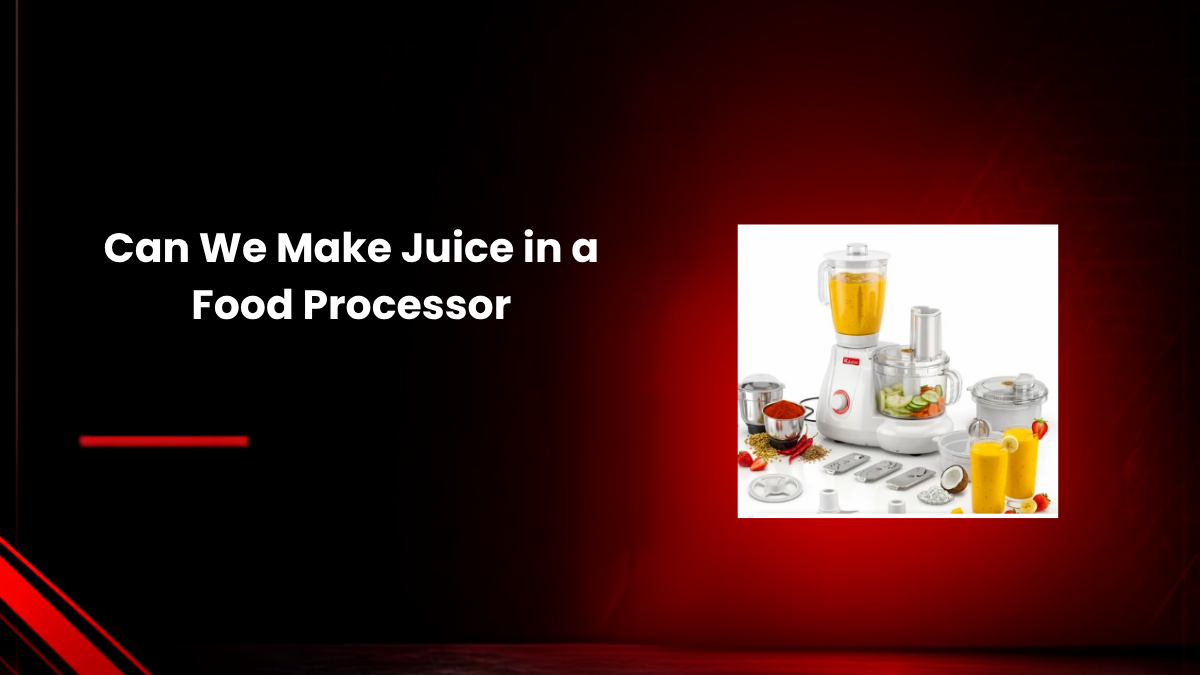
If your kitchen already has a food processor, you might be wondering: can we make juice in a food processor without buying a separate juicer? The short answer is yes, though the process and results differ from what a dedicated juicer produces.
A food processor can liquefy fruits and vegetables effectively, thanks to its powerful motor and sharp blades. However, getting a smooth, juice-like consistency requires a few extra steps compared to using an actual juicer.
This guide answers how to make juice in a food processor in full detail, covering what works, what doesn't, and how to get the best results from what you already own. If you'd rather skip the straining step altogether, Rico's dedicated juicers make the process a lot more convenient.
How Food Processor Juicing Actually Works
Unlike a juicer, which separates liquid from pulp mechanically, a food processor simply purees everything together. This means the fruit or vegetable's fibre stays mixed into the final result, rather than being extracted separately.
So, when people ask whether we make juice in a food processor, the honest answer involves an extra step: straining. After processing, you typically pass the mixture through a fine strainer or cheesecloth to separate the juice from the pulp.
This two-step process takes a bit more effort than a dedicated juicer, but it works surprisingly well for most fruits and vegetables.
What You'll Need
Before attempting to make juice in a food processor, gather these basics:
-
A food processor with a sharp blade attachment
-
Fresh fruits or vegetables, peeled and roughly chopped
-
A fine mesh strainer or cheesecloth
-
A large bowl to catch the strained juice
-
A spoon or spatula to press out extra liquid
Having these ready before you start makes the entire process smoother and faster.
Step-by-Step: How to Make Juice in a Food Processor
![]()
![]()

Step 1: Prep Your Produce
Peel and chop your fruits or vegetables into smaller pieces. This helps the processor's blades work more efficiently and produces a smoother puree.
If chopping large batches feels tedious, our comparison of manual vs electric vegetable choppers can help you decide on a faster prep tool to pair with your food processor.
Step 2: Process Until Smooth
Add the chopped produce to your food processor and blend until it forms a smooth, liquid-heavy puree. This usually takes 1 to 2 minutes, depending on the ingredients used.
Step 3: Strain the Mixture
Pour the puree through a fine mesh strainer or cheesecloth set over a bowl. Use a spoon to press down and extract as much liquid as possible, separating it from the pulp.
Step 4: Adjust Consistency
If the resulting juice feels too thick, add a small amount of water and stir. This helps achieve a lighter, more drinkable consistency similar to traditionally extracted juice.
Step 5: Serve Immediately
Freshly made juice tastes best right away, since it lacks the preservatives found in store-bought versions. Drink it promptly for maximum freshness and flavour.
Best Produce for Food Processor Juicing
Not every fruit or vegetable works equally well in this method. Choosing the right produce makes a noticeable difference in results.
Works well:
-
Cucumbers
-
Tomatoes
-
Watermelon
-
Pears and apples (peeled and chopped)
-
Soft, watery greens like spinach, in small quantities
Doesn't work well:
-
Hard vegetables like carrots or beetroot, which turn gritty and mushy
-
Low-liquid fruits like bananas and avocados
-
Papaya and mango, which tend to clump rather than liquefy smoothly
Sticking to watery, softer produce gives you the best chance of smooth, drinkable results when making juice in a food processor.
Food Processor vs Blender for Juicing
Since both appliances can technically make juice, it helps to understand how they differ.
-
Food processors typically have more powerful motors and sharper blades, making them slightly better at liquefying tougher greens like kale.
-
Blenders are generally better suited for smoothies, since they blend everything into a thicker consistency rather than a strainable liquid.
If you're deciding between these two appliances for juicing purposes, our comparison of slow juicer vs blender explores similar trade-offs between texture, nutrient retention, and convenience.
Food Processor Juice vs Dedicated Juicer: What's the Real Difference?
|
Factor |
Food Processor |
Dedicated Juicer |
|
Extraction method |
Blends, then requires straining |
Automatically separates juice from pulp |
|
Prep time |
Chopping plus straining |
Minimal prep, especially centrifugal models |
|
Best produce |
Watery fruits and vegetables |
Wide range, including hard produce |
|
Cleanup |
Moderate, due to straining step |
Varies by juicer type |
|
Counter space |
Multi-purpose appliance |
Dedicated appliance |
While a food processor gets the job done, a dedicated juicer offers a smoother, more streamlined experience, particularly for larger batches or harder produce.
When a Dedicated Juicer Makes More Sense
If you juice frequently, investing in a proper juicer often saves time and effort in the long run. Different juicer types suit different needs.
For those prioritising speed and convenience, our guide on centrifugal vs slow juicers breaks down how these popular juicer types compare in performance and output.
If nutrient retention matters more to you, our comparison of centrifugal juicer vs slow juicer explains how extraction speed affects the final juice quality.
Exploring Cold Press as a Premium Alternative

For those seeking maximum nutrient retention, cold press juicers represent the premium end of home juicing. Unlike a food processor's blend-and-strain method, cold press machines use hydraulic pressure to extract juice without generating heat.
Our guide on how a cold press juicer works explains this mechanism in detail, useful context if you eventually decide to upgrade beyond your food processor.
If you're ready to explore specific models, our roundup on which cold press juicer is best can help narrow down your options.
Multi-Function Appliances Worth Considering
If counter space is limited, it's worth exploring appliances that combine multiple functions in one unit. Our guide on how to use a juicer mixer grinder explains how these hybrid machines handle both grinding and juicing tasks, offering a space-saving alternative to owning separate appliances.
Similarly, if you're curious about how different blade and motor designs affect processing across kitchen appliances, our comparison of wet grinder vs mixer grinder explores this in more depth.
Tips for Better Results
A few small adjustments can noticeably improve your food processor juicing results.
-
Chop produce into uniform, smaller pieces for more even processing.
-
Process in smaller batches rather than overloading the bowl.
-
Use a spoon to press firmly while straining to extract maximum juice.
-
Combine watery produce with a small amount of citrus for better flavour balance.
-
Clean the processor and strainer immediately after use to prevent pulp from drying and sticking.
Final Thoughts
So, can we make juice in a food processor? Yes, with a bit of extra effort. Blending your produce and then straining it produces a genuinely drinkable juice, especially when you stick to watery fruits and vegetables.
That said, a dedicated juicer remains the more convenient option for frequent juicing, particularly if you regularly work with harder produce or want to skip the straining step entirely.
Ultimately, whether you stick with your food processor or eventually invest in a dedicated juicer depends on how often you juice and how much convenience matters to your daily routine.
Frequently Asked Questions
Q1. Can we make juice in a food processor without a strainer?
Not effectively. Without straining, the result will be a thick puree rather than a smooth juice, since the food processor doesn't separate pulp automatically as a dedicated juicer does.
Q2. What fruits work best for making juice in a food processor?
Watery produce like cucumbers, watermelon, tomatoes, and peeled apples or pears work best, since they blend and strain smoothly.
Q3. Is food processor juice as nutritious as juicer-extracted juice?
It can be even more nutritious in some cases, since blending retains more fibre before straining, unlike some high-speed juicers that generate heat and oxidation.
Q4. Can I make juice in a food processor from carrots or beetroot?
It's not ideal. Hard vegetables like carrots tend to turn gritty and mushy when processed this way, making them difficult to strain smoothly.
Q5. Is it worth buying a dedicated juicer instead of using a food processor?
If you juice frequently or want to process a wider variety of produce, including harder vegetables, a dedicated juicer offers more convenience and better results overall.