
Juicer Buying Guide: How to Choose the Right Juicer Today
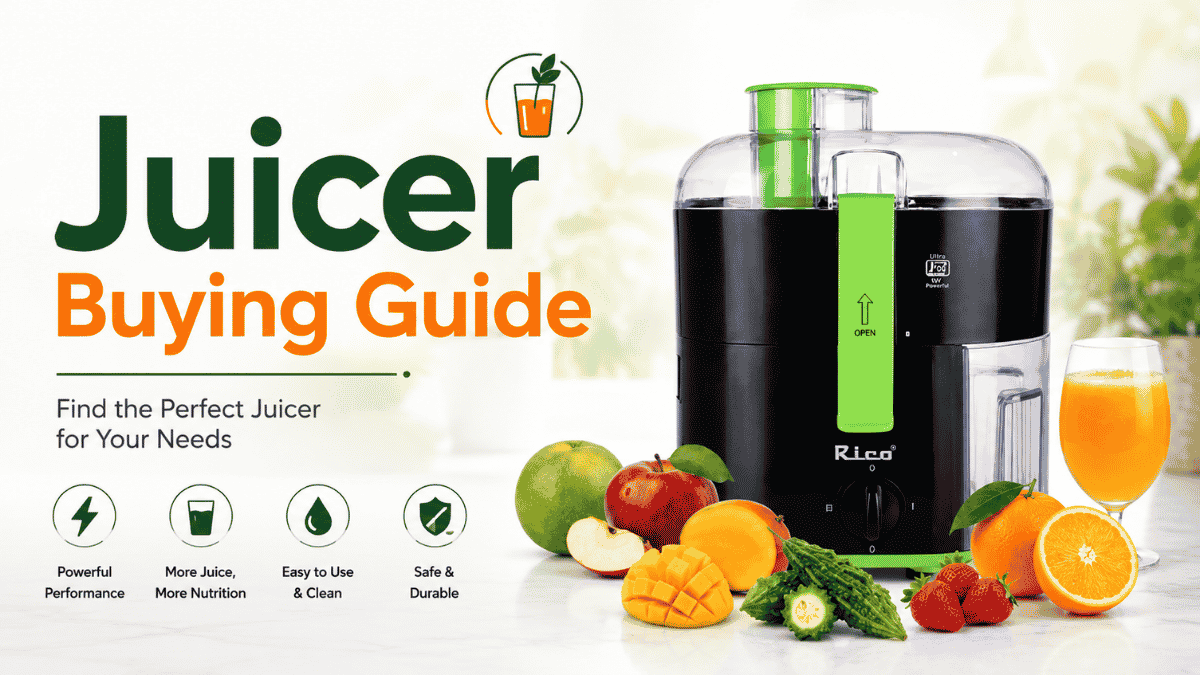
Walking into the juicer aisle, or scrolling through endless online listings, can feel overwhelming. This juicer buying guide breaks down exactly what matters, so you can choose confidently instead of guessing.
From juicer types to feed tube size, noise levels, and cleaning ease, several factors influence how well a juicer fits your daily routine. A great juicer buying guide should help you match these features to your actual lifestyle, not just the flashiest specs.
Let's walk through everything this juicer buying guide covers, step by step, so you land on the right machine for your kitchen. And if you'd rather skip straight to browsing, Rico's juicer range is a solid place to start comparing options.
Understanding the Main Types of Juicers
Before diving into features, it helps to understand the core juicer categories. Each works differently, and this distinction should guide the rest of your decision.
Centrifugal Juicers
These use a fast-spinning blade and mesh basket to shred produce and separate juice from pulp within seconds. They're fast, affordable, and easy to clean, making them a popular starting point for beginners.
However, the high-speed process causes faster oxidation, so juice is best consumed immediately. Our detailed comparison of centrifugal vs slow juicers breaks down this trade-off in more depth.
Masticating Juicers (Slow Juicers)
These use a single auger to chew produce slowly, extracting juice through gentle pressure rather than high-speed spinning. This method preserves more nutrients and produces juice that lasts up to 48 hours when refrigerated.
The trade-off is longer prep and juicing time, along with a bit more effort during cleanup. Our guide on centrifugal juicer vs slow juicer explores yield and extraction differences between these two popular types.
Twin Gear Juicers
These operate at even slower speeds, using two interlocking gears to extract maximum juice and nutrients. They handle leafy greens and wheatgrass especially well, though they're pricier and take longer to use than other types.
Key Factors Every Juicer Buying Guide Should Cover
Once you've picked a juicer type, these practical features determine how enjoyable the appliance is to actually use.
1. Feeder Tube Size
A wider feeding tube accepts whole or roughly chopped produce, significantly reducing prep time. Narrow tubes require smaller cuts, which adds extra work to your juicing routine.
2. Speed Settings
Multiple speed settings let you adjust for different produce types. Lower speeds suit soft fruits, while higher speeds handle harder vegetables like carrots or beetroot more effectively.
3. Pulp Ejection System
Juicers with external pulp ejection allow continuous juicing without stopping to empty an internal basket. This matters if you juice larger quantities regularly.
4. Juice Yield
Masticating and twin gear juicers typically extract more juice due to their slower processing method. Checking pulp dryness after juicing is a simple way to gauge extraction efficiency; drier pulp generally means better yield.
5. Noise Levels
Centrifugal juicers tend to be the loudest, since they operate at high RPM, often between 6,000 and 15,000. If quiet operation matters to you, masticating juicers run noticeably softer.
Our guide on how to reduce the noise of a mixer grinder shares maintenance tips that apply broadly to motor-driven kitchen appliances, including juicers.
6. Cord Length and Storage
A longer cord, ideally around four feet, offers more flexibility during use. Compact models with built-in cord storage also help keep your kitchen counter tidy.
7. Ease of Cleaning
Juicers with fewer parts and wider openings are generally easier to clean. This matters more than people expect, since juicers that are tedious to clean often end up used less frequently over time.
Juicer Types Compared: Quick Reference
|
Factor |
Centrifugal |
Masticating |
Twin Gear |
|
Speed |
Very fast |
Slow |
Slowest |
|
Noise |
Loud |
Quiet |
Quiet |
|
Juice shelf life |
A few hours |
Up to 48 hours |
Up to 72 hours |
|
Prep time |
Minimal |
Moderate |
Higher |
|
Price |
Budget-friendly |
Mid to high |
Highest |
|
Best for |
Beginners, quick juicing |
Regular juicers, nutrient focus |
Leafy greens, wheatgrass |
Questions to Ask Before You Buy
A thoughtful juicer buying guide isn't complete without asking yourself these questions first.
-
What's my realistic budget for this purchase?
-
How much prep time am I willing to invest daily?
-
How much cleanup effort am I comfortable with regularly?
-
Does juice shelf life matter, or will I drink it immediately?
-
How much counter and storage space do I actually have?
-
Will I be juicing leafy greens or wheatgrass often?
Answering these honestly narrows your options significantly and prevents buyer's remorse down the line.
Matching Juicer Type to Your Lifestyle
Choosing the right juicer often comes down to habits, not just features. Here's a simple way to decide.
Choose a centrifugal juicer if:
-
You're new to juicing and want an easy starting point
-
Speed and minimal prep time matter most to you
-
You typically drink juice immediately after making it
-
Budget is a primary consideration
Choose a masticating juicer if:
-
Nutrient retention and juice shelf life matter to you
-
You're comfortable with slightly longer prep and juicing time
-
You juice leafy greens or softer produce regularly
Choose a twin gear juicer if:
-
Maximum yield and nutrient extraction are top priorities
-
You frequently juice wheatgrass or delicate greens
-
You're willing to invest more time and money for premium results
Comparing Juicers to Blenders
It's worth clarifying that juicers and blenders serve different purposes. Juicers separate liquid from pulp, while blenders combine everything, fibre included, into a thicker consistency.
If you're deciding between these two appliance categories, our comparison of slow juicer vs blender explains how nutrient content and texture differ between the two approaches.
Exploring Cold Press Juicers
Cold press juicers, a specific type of masticating or hydraulic-press juicer, have become popular for their exceptional nutrient retention and longer juice shelf life. They use pressure rather than spinning blades to extract juice without generating heat.
If this method interests you, our guide on how a cold press juicer works walks through the mechanics in detail, which is a useful addition to any juicer buying guide focused on quality over speed.
Once you've decided cold press suits your needs, our roundup on which cold press juicer is best can help you compare specific models before purchasing.
Multi-Function Alternatives Worth Considering
If counter space is limited, it's worth exploring appliances that combine juicing with other functions. Our guide on how to use a juicer mixer grinder explains how these hybrid appliances work, offering a space-saving alternative to a standalone juicer.
Similarly, if you're comparing wet grinding mechanisms to juicing appliances more broadly, our article on wet grinder vs mixer grinder explores how different blade and motor designs affect output across kitchen appliances.
Care Tips for Whichever Juicer You Choose
Regardless of the type you pick, a few habits extend your juicer's lifespan and keep it performing well.
-
Clean your juicer immediately after use to prevent pulp from drying and sticking.
-
Soak parts in warm water if you can't clean immediately, to avoid stubborn buildup later.
-
Use a scrub brush for baskets, gears, or narrow corners that trap residue.
-
Store the juicer somewhere visible, so it stays part of your daily routine rather than forgotten in a cupboard.
Building a Complete Kitchen Setup
A juicer is just one piece of a well-equipped kitchen. If you're planning your broader appliance collection, our roundup of kitchen products covers other everyday essentials worth considering alongside your new juicer.
Final Thoughts
This juicer buying guide comes down to one central idea: the best juicer is the one that fits your actual habits, not just the one with the most features. Speed, nutrient retention, noise, and cleaning ease all matter differently depending on your lifestyle.
Take a moment to reflect on your budget, available time, and juicing goals before deciding. Ultimately, following a thoughtful juicer buying guide like this one ensures you invest in a machine you'll actually use, day after day.
Frequently Asked Questions
Q1. Which type of juicer is best for beginners?
Centrifugal juicers are generally the best starting point, thanks to their speed, affordability, and minimal prep time compared to masticating or twin gear options.
Q2. Does a wider feeder tube really matter?
Yes, significantly. A wider tube accepts whole or roughly chopped produce, saving considerable prep time compared to juicers with narrow feeding tubes.
Q3. How do I know if a juicer extracts juice efficiently?
Check the pulp after juicing. Drier pulp generally indicates better extraction, while wet, drippy pulp suggests the juicer isn't extracting as much juice as it could.
Q4. Are quieter juicers always better?
Not necessarily, but they're worth considering if noise is a household concern. Masticating and twin gear juicers run quieter than centrifugal models due to their slower operating speed.
Q5. How much should I expect to spend on a good juicer?
This varies widely by type. Centrifugal juicers are generally the most budget-friendly, while masticating and twin gear juicers cost more due to their more complex extraction mechanisms.